LAHORE:
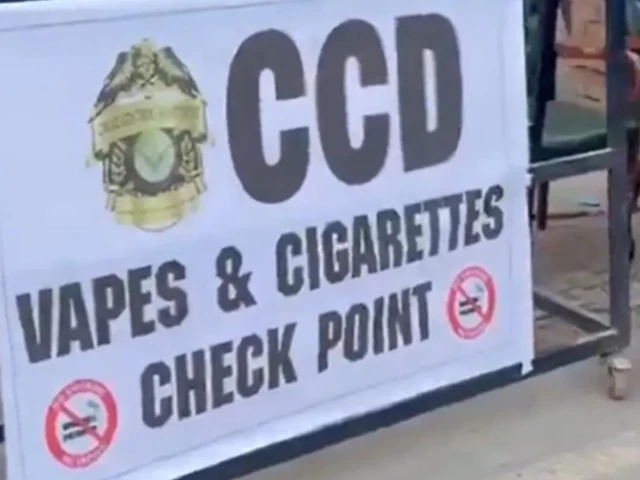
The Punjab Crime Control Department (CCD) has begun searching students’ bags outside educational institutions to prevent drugs, cigarettes and vapes from being brought onto the premises, but the move has raised questions about privacy and the effectiveness of enforcement-led prevention.
According to a statement issued by the department on Saturday, special desks have been established outside educational institutions across Punjab, where students’ bags are being checked. The action is accompanied by awareness activities highlighting the harmful effects of smoking and vaping.
The CCD said the initiative was aimed to prevent students from carrying intoxicating substances into educational institutions, whether knowingly or unknowingly.
However, the department did not disclose whether the school administrations and parents had been consulted before the checking began.
The department urged parents and teachers to monitor children’s habits and behaviour and help protect them from substance abuse.
A spokesperson said awareness campaigns would also seek to educate students about the physical, psychological, educational and social consequences of drug use.
The announcement, however, has caused concerns about how the inspections will be conducted and whether adequate safeguards are in place to protect students’ privacy and dignity. Routine or indiscriminate searches, particularly if conducted publicly or without clear procedures, could potentially embarrass students and undermine trust between children and educational institutions.
According to welfare activists, the distinction between preventing prohibited substances from entering school premises and treating students suspected of substance use as offenders is also important. Prevention efforts that rely primarily on searches and enforcement may overlook underlying factors such as peer pressure, psychological distress and the need for counselling and rehabilitation.
A policy brief issued last year by the National Commission on the Rights of Child highlighted shortcomings in Pakistan’s school-based drug prevention system, including a lack of trained counsellors, confidential support services and reliable data on substance use among schoolchildren.
It also warned that stigmatising or criminalising young users could discourage early intervention.
International guidance by the World Health Organisation, UNESCO and the United Nations Office on Drugs and Crime recommends a comprehensive, school-wide approach to substance-use prevention, combining awareness, teacher training, counselling and support services.
It emphasises addressing students found using substances through education, counselling and referrals rather than relying solely on punitive measures.
The CCD also appealed to the public to identify shopkeepers selling cigarettes and vapes to children, warning that cases would be registered against those involved and arrests would follow.
A teacher said the initiative had a preventive objective, but its effectiveness would depend on whether inspections were conducted transparently and proportionately and were accompanied by sustained educational and psychological support.
The department said parents had welcomed the campaign, although it did not share how their feedback had been received.
Meanwhile, Iqbal Town police arrested a private schoolteacher for slapping a student after his mother lodged a complaint.