
Bieber spoke with journalist Andrew Ross Sorkin about Rhode’s growth, its billion-dollar acquisition and more
Hailey Bieber has faced a wave of online criticism following her appearance at The New York Times’ 2026 DealBook Summit, where her answers about building her beauty brand, Rhode, sparked debate over her business knowledge and entrepreneurial experience.
Bieber spoke with journalist Andrew Ross Sorkin on November 18 about Rhode’s growth, its billion-dollar acquisition deal with e.l.f. Beauty and her relationship with social media.
However, several viewers felt she missed an opportunity to explain the business strategy behind the brand’s success.
During the conversation, Bieber described her approach to achieving ambitious goals as having a sense of “optimistical delusion”.
She also explained that Rhode’s appeal came from its connection to her personality and the effort invested in building a complete brand identity.
The comments attracted criticism from social media users, including business strategist Holly Hayes, who argued that Bieber could have offered more detailed insights into Rhode’s commercial success.
“Hailey Bieber had the perfect opportunity to prove that she is more than just the face of a billion dollar brand and I think she completely missed it,” Hayes said.
Content creator Emma-Louise Boynton also defended Sorkin’s questioning, arguing that journalists should ask challenging questions rather than simply promote their guests.
However, other viewers supported Bieber, suggesting that her conversational speaking style should not be mistaken for a lack of business knowledge.
Following the interview, Bieber also defended her use of “optimistical” on Instagram Stories, explaining that the word is real.
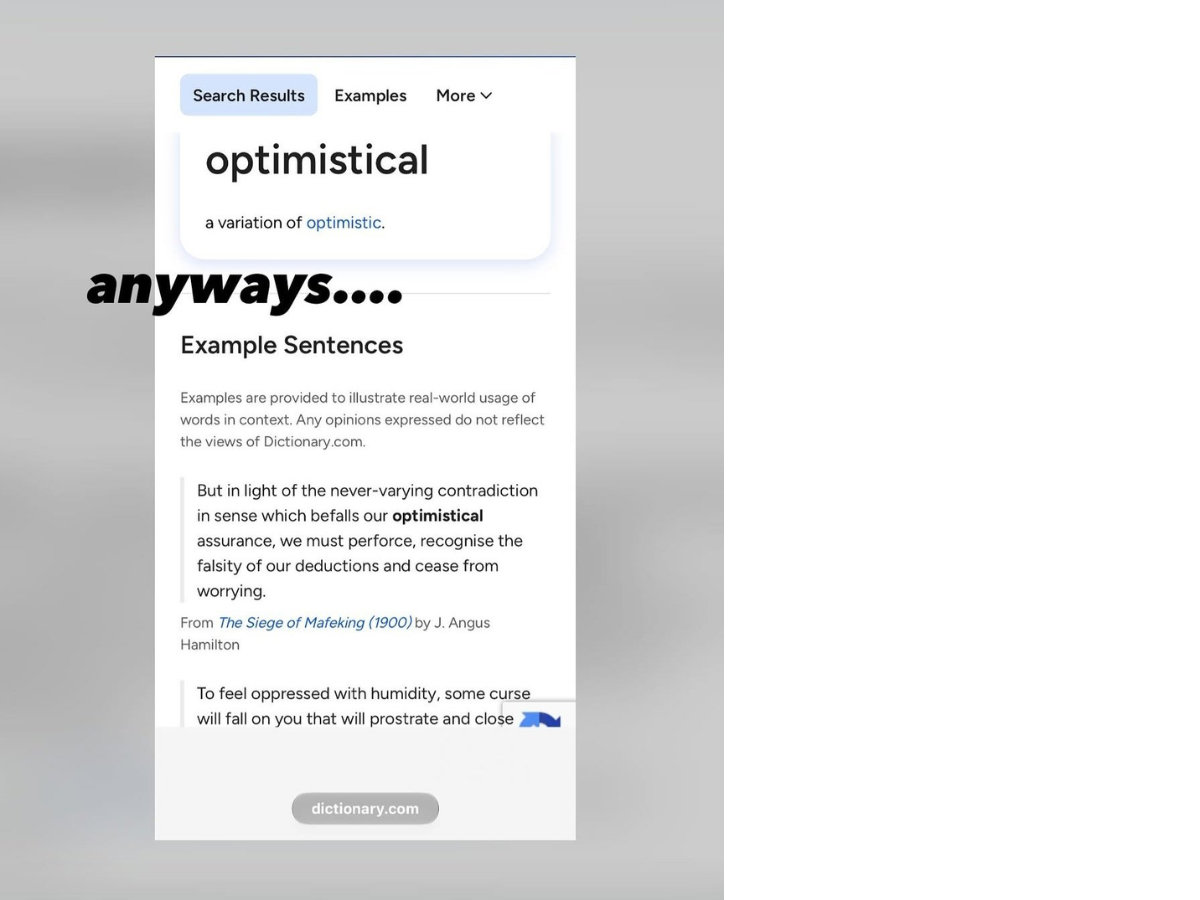
Photo: Instagram
The debate has since expanded beyond Bieber’s answers, highlighting wider discussions about celebrity entrepreneurship, media scrutiny and the expectations placed on public figures at major business events.
Make the trolling angle more prominentTrim the article to exactly 250 words