KARACHI:
The Muttahida Qaumi Movement-Pakistan (MQM-P) has strongly reacted to the PPP Chairman Bilawal Bhutto-Zardari’s statement, saying the party was grateful to him for what it described as an admission of guilt.
The party has challenged Bilawal to explain why the creation of provinces elsewhere in the country would lead to bloodshed only in Karachi and other urban areas of Sindh. The establishment of new provinces was a constitutional requirement, the spokesperson said, adding that Bilawal’s strong reaction to even discussing the issue was incomprehensible.
The MQM-P also asked Bilawal to explain why those who had opposed the 27th Constitutional Amendment later voted in its favour. The spokesperson said Bilawal had endorsed MQM-P’s position by identifying corruption as the biggest cause of the country’s destruction.
The party further challenged Bilawal to inform the nation about what he described as massive corruption by the rulers who had governed Sindh for the past 18 years.
Eviction of residents
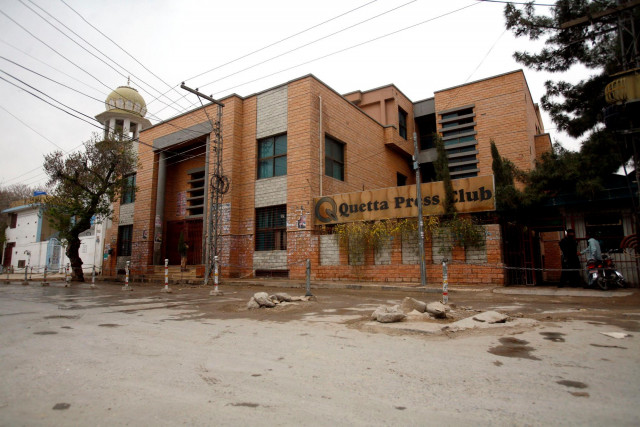
The MQM-P senior leader Dr Farooq Sattar has vowed to resist the eviction of residents of more than 5,000 government quarters in the metropolis, demanding ownership rights for occupants or provision of alternative housing.
Addressing a press conference alongside party lawmakers and affected residents, Sattar said the housing issue of government employees who migrated to Pakistan after Partition in 1947 had remained unresolved since 1948. He said more than 200,000 to 250,000 people, including serving and retired employees, widows and their families, were affected.
He urged Prime Minister Shehbaz Sharif, Federal Housing Minister Riaz Pirzada and the Housing and Works secretary to take immediate notice of the matter.
Sattar cited several government decisions and judicial orders in support of the residents’ claims, including a 1972 policy approved by the government of Zulfikar Ali Bhutto, a 1989 federal cabinet decision and a 1991 decision under the government of Nawaz Sharif, all aimed at protecting residents’ housing rights. He said the commitments included granting ownership of occupied quarters or providing suitable alternative accommodation
Separately, Sattar called for the creation of new administrative units and referendums to seek public opinion on the performance of provincial governments and the devolution of administrative powers.