.
LAHORE:
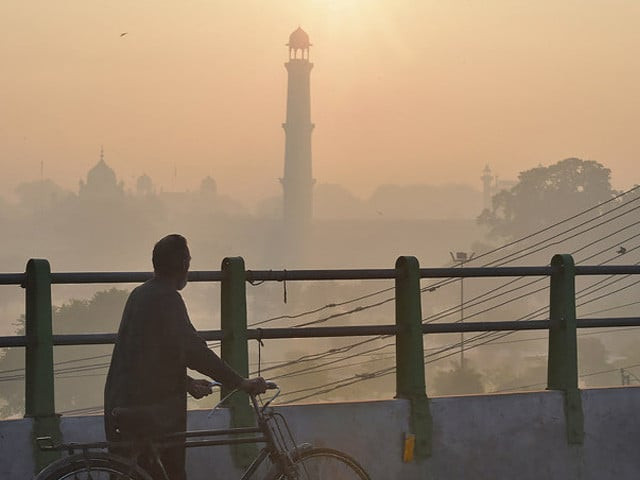
Air pollution and smog in Lahore are posing a growing threat not only to human health but also to urban wildlife, with experts warning that polluted air can damage animals’ respiratory systems and affect birds’ ability to find food, hunt and migrate.
Lahore Zoo Senior Veterinary Officer Dr Muhammad Azhar said fine particulate matter (PM2.5) could penetrate deep into the lungs and cause respiratory illnesses in animals. Ozone and toxic gases could also cause inflammation in their airways, while reduced visibility during smog could create additional difficulties for birds.
He said prolonged exposure to air pollution could affect the respiratory health of animals and birds, reduce their natural lifespan and impair their reproductive capacity.
According to the Lahore City Biodiversity Action Plan, prepared by the Urban Unit last year, 69 bird species were recorded in the city’s built-up areas, gardens and parks. This compares with 101 species recorded in 1992 and 85 in 2011, indicating a decline in the number of recorded species over the years.
Lahore Zoo Deputy Director Shahzaib Khurshid said climate change was affecting urban wildlife, but rapid urbanisation, the loss of agricultural land and shrinking natural habitats were also major factors.
He said animals and birds kept in captivity at zoos and safari parks received regular vaccinations, seasonal diets and temperature-controlled care, which helped improve their life expectancy.
Officials at the University of Veterinary and Animal Sciences (UVAS) said they had observed an increase in animals brought for treatment during the smog season.
The experts stressed that protecting natural habitats and reducing pollution were essential to safeguarding wildlife.
Dr Azhar advised residents to place clean drinking water and food for birds on rooftops and in open spaces during winter and the smog season.
He also urged livestock owners to avoid keeping animals and birds in open areas at night, ensure timely vaccinations according to seasonal requirements and provide them adequate nutrition.